7 Powerful CNIC Safety Tips: Protect Identity & Stop Fraud
Focus Keyword: CNIC Safety Tips
Introduction: CNIC Safety Tips for Identity Protection in 2026
CNIC Safety Tips are essential for Pakistani citizens who want to protect their personal information, prevent identity theft, and reduce the risk of financial fraud. A Computerized National Identity Card (CNIC) is more than an identification document. It connects individuals to important services, including banking, mobile connections, government records, and identity verification. As digital services expand in 2026, understanding how to protect CNIC information has become increasingly important.
Identity fraud can occur when criminals obtain personal information through fake websites, fraudulent phone calls, suspicious messages, or improperly handled identity documents. Although knowing someone’s CNIC number does not automatically give a criminal access to their accounts, exposed identity information can be combined with other stolen details to support scams.
Fortunately, practical security habits can help reduce these risks. Protecting physical documents, using official verification services, and recognizing suspicious requests are important steps toward stronger identity security.
This guide explains seven powerful CNIC Safety Tips for protecting identity information, recognizing fraud attempts, and responding appropriately when personal details may have been compromised.
Table of Contents: CNIC Safety Tips
- CNIC Safety Tips for Protecting Your Original Card
- CNIC Safety Tips for Sharing Photocopies Safely
- CNIC Safety Tips for Avoiding Online Fraud
- CNIC Safety Tips for Protecting Mobile SIM Registration
- CNIC Safety Tips for Securing Digital Identity Accounts
- CNIC Safety Tips for Recognizing Fake Verification Requests
- CNIC Safety Tips for Reporting Identity Theft
- CNIC Safety Tips Comparison Table
- CNIC Safety Tips Security Priority Graph
- Frequently Asked Questions About CNIC Safety Tips
- Conclusion: CNIC Safety Tips for Long-Term Protection
1. CNIC Safety Tips for Protecting Your Original Identity Card
The first important CNIC Safety Tips concern the physical protection of your original identity card. Your CNIC contains identifying information that should not be exposed unnecessarily.
Many people carry their identity cards daily because identification is required for various activities. However, leaving a CNIC unattended at shops, offices, public counters, or other locations can increase the possibility of unauthorized copying or misuse.

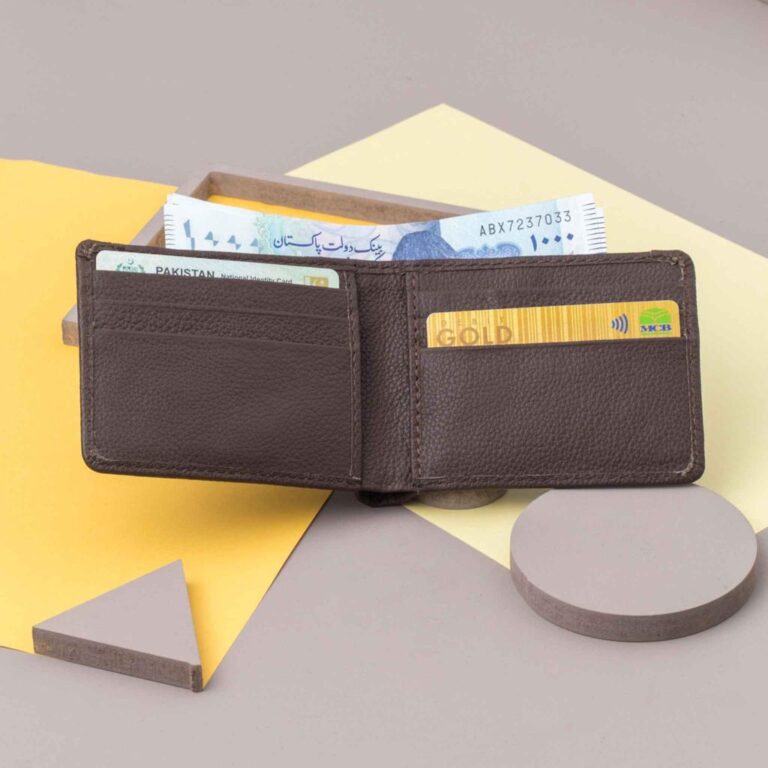
Keep your identity card in a secure wallet or document holder. When presenting it for legitimate verification, remain aware of who is handling the document and why it is needed.
If an organization needs to inspect your card, ask whether viewing it is sufficient rather than automatically allowing a permanent copy.
CNIC Safety Tips for Preventing Physical Document Loss
Develop a habit of checking your wallet after visiting banks, service centres, hotels, or other places where identification may be requested.
Avoid leaving your original CNIC with an unknown individual as a deposit or guarantee.
If the card is lost or stolen, contact NADRA promptly to understand the appropriate reporting and replacement procedure.
CNIC Safety Tips for Safe Document Storage
At home, keep identity documents in a secure location away from unnecessary access. Avoid placing original cards near water, excessive heat, or items that could damage them.
A properly stored identity card is less likely to become lost, damaged, or accessible to unauthorized individuals.
2. CNIC Safety Tips for Sharing Photocopies Safely
One of the most practical CNIC Safety Tips involves controlling how identity card photocopies are shared.
Photocopies are commonly requested for employment applications, financial services, accommodation procedures, and other legitimate activities. However, unnecessary distribution increases the number of places where personal information may be stored.
Before submitting a copy, confirm the organization’s identity and understand why the document is required.
Where permitted, adding a clear purpose-specific note to a photocopy can help discourage unrelated reuse. For example, a copy intended for a particular application can be marked with the recipient’s name, purpose, and date.
Such markings are not a guaranteed security measure, and some organizations may reject altered copies. Always follow the receiving organization’s official requirements.
CNIC Safety Tips for Digital Photocopies
Digital identity card photographs deserve the same protection as physical copies.
Avoid uploading CNIC images to unknown websites or sharing them in public messaging groups.
If a legitimate organization requires an electronic copy, use its verified and secure submission channel.
Consider removing unnecessary duplicate copies from shared devices and unsecured folders after they are no longer needed.
CNIC Safety Tips for Secure File Sharing
Use protected accounts and trusted communication methods when sending sensitive documents.
Before uploading, check the website address carefully. Fraudulent websites may imitate the appearance of official government or financial services.
Never assume that a website is trustworthy simply because it displays a government-style logo.
3. CNIC Safety Tips for Avoiding Online Identity Fraud
Online fraud is another major reason to follow CNIC Safety Tips.
Criminals sometimes create fake registration portals, promotional campaigns, or verification messages to persuade individuals to disclose identity information.
These scams may promise government assistance, free mobile packages, financial rewards, or urgent account activation.
Some fraudulent messages pressure recipients to respond immediately, claiming that an identity card or bank account will be blocked unless personal information is submitted.
A legitimate-looking message is not proof of authenticity.
CNIC Safety Tips for Identifying Suspicious Websites
Before entering identity information, examine the website address and confirm it through an independently obtained official source.
For NADRA services, begin with the official NADRA website rather than clicking unfamiliar links from social media advertisements or forwarded messages.

Be cautious when a website requests information unrelated to the service being provided.
A secure connection is useful, but the presence of HTTPS alone does not prove that a website is legitimate.
CNIC Safety Tips for Preventing Phishing
Never share one-time passwords, account passwords, or verification codes with unexpected callers.
Fraudsters may already know some personal details and use them to appear credible.
If you receive an unexpected verification request, stop the interaction and contact the relevant organization using its official published contact information.
4. CNIC Safety Tips for Protecting Mobile SIM Registration
Mobile SIM registration is closely connected to identity protection in Pakistan.
A phone number may be used for banking alerts, account recovery, authentication codes, and other sensitive services.
Unauthorized SIM registration or SIM-swap fraud can create serious security risks.
The Pakistan Telecommunication Authority has published guidance on checking SIM registrations and recognizing telecom-related fraud.
CNIC Safety Tips for Checking Registered SIMs
Citizens can check the number of SIMs registered against their CNIC using PTA’s authorized SIM information services.
PTA guidance describes sending a CNIC number to 668 to check registered SIM counts. Users should verify current instructions and any applicable charges through official PTA resources.
If the results suggest an unauthorized connection, contact the relevant mobile operator through its official customer support or service centre.
Avoid relying on unofficial websites that promise to reveal private subscriber details.
CNIC Safety Tips for Preventing SIM-Swap Fraud
Be suspicious if your phone unexpectedly loses network service while other devices on the same network appear unaffected.
An unexplained service interruption can have several causes, but it may warrant checking whether your SIM has been replaced without authorization.
Contact your mobile operator promptly if you suspect SIM-swap fraud.
Also review important accounts linked to your phone number and follow their security recovery procedures if necessary.
5. CNIC Safety Tips for Securing Digital Identity Accounts
Digital identity platforms provide convenient access to services, but they also require careful account protection.
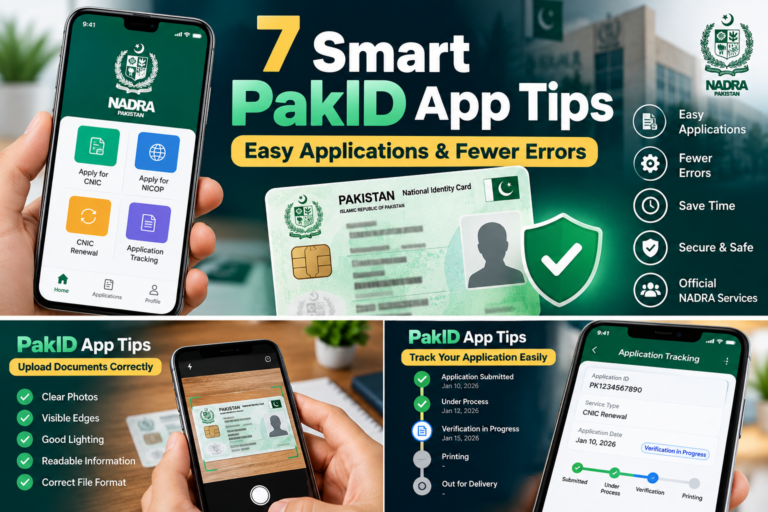
NADRA’s PakID platform supports eligible identity-related applications and digital identity services.
Users should access these services only through official websites or authorized applications.
A strong password, secure mobile device, and careful handling of verification codes can reduce unauthorized access risks.
CNIC Safety Tips for PakID Account Security
Keep your PakID login credentials private and install application updates from official sources.
Do not give strangers remote access to your phone to complete identity applications.
If someone offers to process an application on your behalf, verify whether the arrangement is authorized and whether sharing information is necessary.
Using a public or shared device for identity-related services may increase the risk of leaving personal information behind.
CNIC Safety Tips for Device Protection
Enable an appropriate phone screen lock and keep the operating system updated.
Avoid installing applications from unknown sources, especially apps claiming to provide secret CNIC verification or unrestricted access to identity records.
Review application permissions and remove software that you no longer need.
6. CNIC Safety Tips for Recognizing Fake Verification Requests
Fraudulent identity verification requests can appear through calls, text messages, emails, and social media.
A caller may claim to represent a bank, mobile operator, courier company, or government department.
The caller might request a CNIC photograph, biometric verification, or a one-time code under the pretext of correcting an urgent problem.
One of the most valuable CNIC Safety Tips is to verify the request independently before responding.
CNIC Safety Tips for Checking Official Requests
Ask for the purpose of the verification and identify the organization requesting it.
End suspicious calls and contact the organization through a number published on its official website.
Avoid sharing personal information simply because a caller knows your name or CNIC number.
Fraudsters can sometimes obtain partial information from previous leaks or public sources.
CNIC Safety Tips for Biometric Verification
Fingerprint and facial verification should be performed only through authorized procedures.
Be cautious of individuals offering unofficial biometric services, free rewards in exchange for fingerprints, or identity verification through unknown devices.
If a verification attempt seems suspicious, stop and seek guidance from the relevant official service provider.
7. CNIC Safety Tips for Reporting Identity Theft and Fraud
The final CNIC Safety Tips focus on taking action when identity information may have been misused.
People sometimes delay reporting suspicious activity because they are unsure whether a genuine problem has occurred.
However, early reporting can help establish a record of the incident and may reduce further harm.
If your CNIC is lost, stolen, or suspected of being misused, contact NADRA through its official support channels.
NADRA provides information about identity document replacement and complaint procedures.
CNIC Safety Tips After Suspected Identity Theft
If a financial account is involved, contact the bank or payment service immediately.
If the incident concerns unauthorized SIM registration, contact the relevant telecom operator and follow PTA guidance.
For suspected cybercrime, use Pakistan’s current official cybercrime reporting channels.
Preserve relevant evidence such as suspicious messages, transaction references, website addresses, and complaint acknowledgments.
Do not publish complete CNIC numbers or other sensitive evidence in public social media posts.
CNIC Safety Tips for Long-Term Recovery
After reporting an incident, review important accounts for unusual activity.
Change passwords on potentially affected accounts and follow the security recommendations provided by the relevant institutions.
Keep a private record of complaint numbers and official correspondence.
Identity protection may require continued attention, especially if the same personal information has been shared with multiple unauthorized parties.
8. CNIC Safety Tips Comparison Table
The following table compares common identity security risks with practical preventive actions.
| Security Area | Potential Risk | Recommended Protection |
|---|---|---|
| Original CNIC | Loss or unauthorized copying | Secure storage and careful handling |
| CNIC photocopies | Unnecessary information exposure | Share only when required |
| Online websites | Phishing and fake verification | Use verified official portals |
| SIM registration | Unauthorized SIMs | Check registrations through PTA |
| PakID account | Unauthorized account access | Strong credentials and secure devices |
| Verification calls | OTP and identity scams | Verify requests independently |
| Lost or stolen CNIC | Possible identity misuse | Report promptly through official channels |
These measures can reduce exposure to common risks, although no single precaution guarantees complete protection.
9. CNIC Safety Tips Security Priority Graph
A security priority graph can help readers understand which preventive habits deserve regular attention.
For example, protecting verification codes and avoiding fraudulent websites are especially important because criminals may use these methods to gain access to accounts.
Securing original documents, limiting photocopy sharing, and reviewing SIM registrations also contribute to stronger identity protection.
The accompanying graph uses illustrative editorial priority scores rather than official fraud statistics. Its purpose is to support security planning, not to predict the probability of identity theft.
10. Frequently Asked Questions About CNIC Safety Tips
Why Are CNIC Safety Tips Important in Pakistan?
CNIC Safety Tips help people understand how identity information can be exposed and what precautions can reduce the risk of misuse.
Identity documents are connected to many essential services, making responsible handling particularly important.
Can Someone Commit Fraud Using Only My CNIC Number?
A CNIC number alone does not automatically provide access to bank accounts or government records.
However, criminals may combine exposed identity information with passwords, verification codes, or other personal details to support fraudulent activity.
Should I Share My CNIC Picture on WhatsApp?
Avoid sharing CNIC photographs unnecessarily.
If a verified organization legitimately requires a copy, confirm the purpose and use an appropriate secure submission method.
What Should I Do If My CNIC Is Lost?
Contact NADRA promptly and follow its current instructions for reporting the loss and requesting a replacement.
If you suspect related fraud, notify the relevant bank, telecom provider, or reporting authority as appropriate.
How Can I Check SIMs Registered Against My CNIC?
Use PTA’s official SIM information service. Its published guidance includes checking registered SIM counts through the 668 service.
Confirm the latest procedure through PTA before using it.
11. Conclusion: CNIC Safety Tips for Long-Term Identity Protection
Following reliable CNIC Safety Tips can help Pakistani citizens protect their identity information and reduce avoidable fraud risks.
The most important habits include securing original identity cards, sharing photocopies only when necessary, recognizing suspicious websites, protecting verification codes, reviewing SIM registrations, and using official digital identity services.
Identity protection is not limited to one application or document. It requires careful decisions whenever personal information is requested.
Although no security practice can eliminate every risk, consistent awareness and prompt reporting can help individuals respond more effectively to suspicious activity.
For official identity document services, visit NADRA. For telecom-related concerns, consult PTA and your mobile operator.
Disclaimer: This article is for general educational purposes. CNICUpdates is an independent informational website and is not affiliated with NADRA, PTA, or any government authority.