7 Powerful Smart CNIC Facts: Better Security & Hidden Risks
Introduction: Smart CNIC Facts Every Pakistani Should Know in 2026
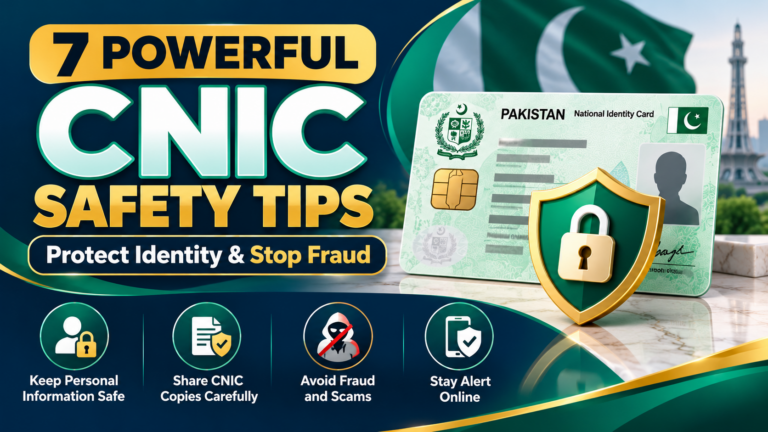
Smart CNIC Facts are increasingly important for Pakistani citizens who want to understand modern identity card technology, personal data protection, and the hidden risks associated with digital verification. A Smart Computerized National Identity Card is more than a plastic card displaying a photograph and identification number. It is part of Pakistan’s wider identity management system, designed to support secure identification and access to essential services.
The National Database and Registration Authority (NADRA) issues national identity documents to eligible Pakistani citizens. The chip-based Smart CNIC was developed to provide enhanced security and improved durability compared with traditional identity cards.
However, identity technology is changing. In 2026, NADRA also introduced a newer QR-code-based national identity card, making it important to distinguish between chip-based Smart CNICs and the emerging QR-based design.
Understanding these differences can help citizens avoid misinformation, protect sensitive details, and choose the appropriate official services.
This article explores seven essential Smart CNIC Facts, including chip technology, identity verification, biometric security, digital privacy, validity, and the future of identity documents in Pakistan.
Table of Contents: Smart CNIC Facts
- Smart CNIC Facts About Secure Chip Technology
- Smart CNIC Facts About Identity Verification
- Smart CNIC Facts About Biometric Protection
- Smart CNIC Facts About Personal Data Privacy
- Smart CNIC Facts About Card Durability and Validity
- Smart CNIC Facts About Online Applications
- Smart CNIC Facts About QR-Based Identity Cards
- Smart CNIC Facts Comparison Table
- Smart CNIC Facts Security Graph
- Frequently Asked Questions About Smart CNIC Facts
- Conclusion: Smart CNIC Facts and Future Security
1. Smart CNIC Facts About Secure Chip Technology
One of the most interesting Smart CNIC Facts is that the traditional Smart CNIC contains a secure microchip.
Unlike an ordinary printed identity card, the chip-based design includes electronic technology intended to support stronger authentication and protect identity-related information.
The chip is not simply a decorative addition. It was introduced as part of an effort to modernize identity documents and improve their security capabilities.

However, the presence of a chip does not mean that every organization can access its contents or that every planned chip function is available in everyday use.
Smart CNIC Facts About Chip-Based Security
A secure chip can support electronic identity functions when compatible systems and authorized procedures are available.
Its purpose is to make identity verification more reliable and reduce dependence on visual inspection alone.
The effectiveness of chip-based features depends on technical infrastructure, security controls, and proper implementation.
Smart CNIC Facts About Chip Limitations
A common misconception is that all Smart CNIC chip features are routinely used across Pakistan.
In August 2026, NADRA explained that the intended chip-enabled functions had faced practical limitations because the necessary readers and supporting infrastructure were not widely available.
This helps explain the shift toward newer QR-based identity documents.
2. Smart CNIC Facts About Identity Verification
Another important category of Smart CNIC Facts concerns how identity verification works.
Identity verification helps organizations establish whether an individual is the person they claim to be.
In Pakistan, identity verification is important for banking, telecommunications, public services, and other activities requiring reliable identification.
A Smart CNIC can serve as an official identity credential, but presenting a card is not always sufficient to complete a secure verification process.
Smart CNIC Facts About Authorized Verification
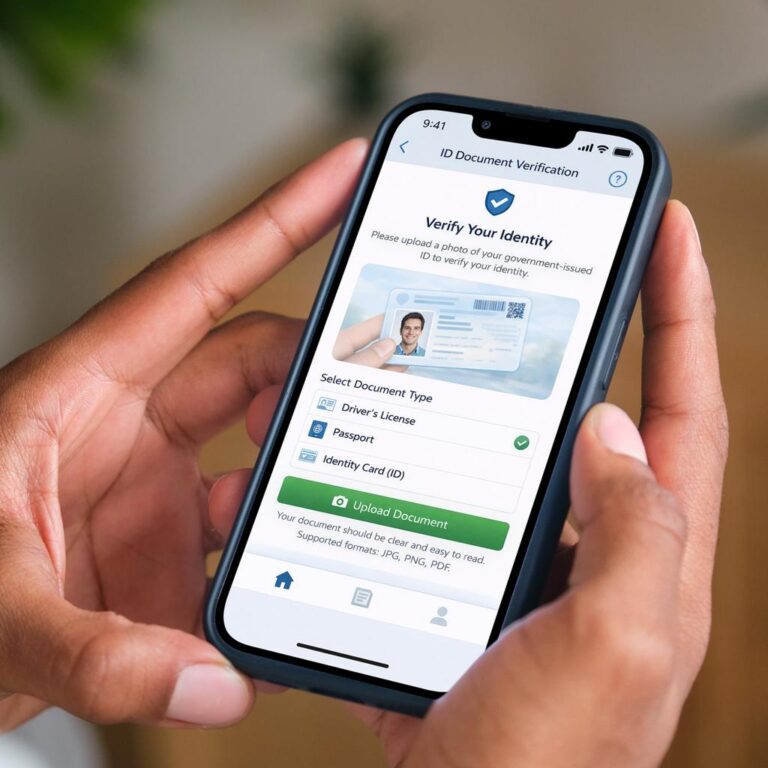
NADRA provides identity verification services for authorized organizations.
Depending on the service, verification may involve identity information, biometric matching, or other approved authentication procedures.
These systems can help reduce impersonation and improve the accuracy of customer records.
However, verification must follow applicable authorization, consent, and data-protection requirements.
Smart CNIC Facts About Fake Verification Requests
Criminals may imitate legitimate identity verification procedures.
A suspicious website or caller might ask for CNIC photographs, verification codes, or sensitive account information while claiming to represent an official service.
Citizens should confirm the identity of the requesting organization before sharing personal data.
3. Smart CNIC Facts About Biometric Protection
Biometric technology is another essential subject within Smart CNIC Facts.
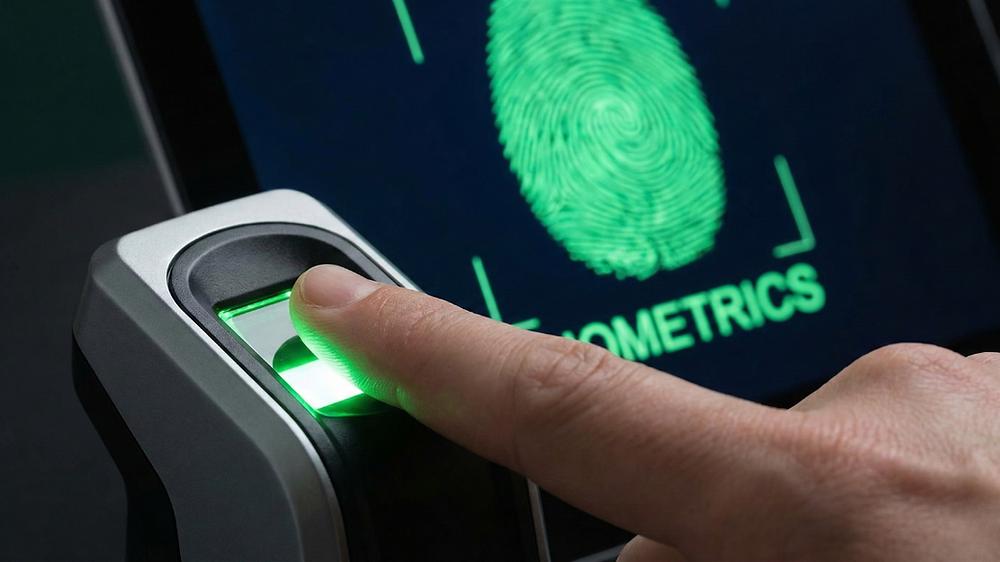
Biometric verification uses physical characteristics, such as fingerprints or facial information, to help confirm identity.
NADRA operates biometric verification services that can match identity information against authorized records.
This technology can improve authentication when implemented with appropriate security safeguards.
Smart CNIC Facts About Fingerprint Verification
Fingerprint verification can help establish whether a person matches the identity record being checked.
It is particularly useful in situations where a printed document alone may not provide enough assurance.
However, biometric verification is not infallible.

Poor fingerprint quality, technical problems, or other circumstances can sometimes prevent successful matching.
Smart CNIC Facts About Biometric Privacy
Biometric information deserves careful protection because it is closely connected to an individual’s physical identity.
Unlike a password, a fingerprint cannot simply be replaced after a suspected compromise.
Citizens should therefore use trusted verification facilities and avoid submitting biometric information through suspicious or unauthorized channels.
4. Smart CNIC Facts About Personal Data Privacy
Among the most practical Smart CNIC Facts is the importance of protecting information printed on the card.
A Smart CNIC contains identifying details that may be requested during legitimate administrative processes.
Unfortunately, the same information may also be misused when copied, photographed, or shared without proper safeguards.
A secure card design does not eliminate every risk associated with identity theft.
Smart CNIC Facts About Sharing Card Photographs
People sometimes send photographs of their identity cards through messaging applications or upload them to unfamiliar websites.
This can create unnecessary exposure if the receiving party does not protect the information appropriately.
Before sharing a CNIC copy, confirm why it is needed and whether the recipient is legitimate.
Where acceptable to the receiving organization, consider marking a copy with its intended purpose and date.
Do not obscure information that an authorized service legitimately requires for verification.
Smart CNIC Facts About Online Privacy Risks
A stolen identity document photograph may be used in impersonation attempts or fraudulent applications.
The exact risk depends on the information exposed and the verification controls used by the targeted service.
Avoid publishing complete CNIC numbers or document photographs in public social media posts.
Secure personal files with appropriate device protection and account authentication.
5. Smart CNIC Facts About Card Durability and Validity
Physical durability is another useful area of Smart CNIC Facts.
NADRA describes Smart CNICs as having improved durability compared with traditional identity cards.
A more durable card can better withstand ordinary handling, but it is not indestructible.
Excessive heat, bending, scratches, or physical damage may still affect a document’s usability.
Smart CNIC Facts About Card Expiry
Identity documents have validity periods that citizens should monitor.
NADRA’s published fee and service information lists a standard ten-year validity period for adult CNIC and Smart CNIC documents, subject to applicable rules and individual circumstances.
The expiry date printed on the document remains important.
A person should not assume that an identity card is valid indefinitely merely because it contains advanced technology.
Smart CNIC Facts About Renewal Planning
Checking the expiry date before an important transaction can help avoid administrative problems.
Applicants should use official NADRA instructions when renewing or replacing a card.
If the card is damaged or lost, follow the appropriate official replacement procedure rather than relying on unofficial agents.
6. Smart CNIC Facts About Online Applications
Digital application services are an important part of modern Smart CNIC Facts.
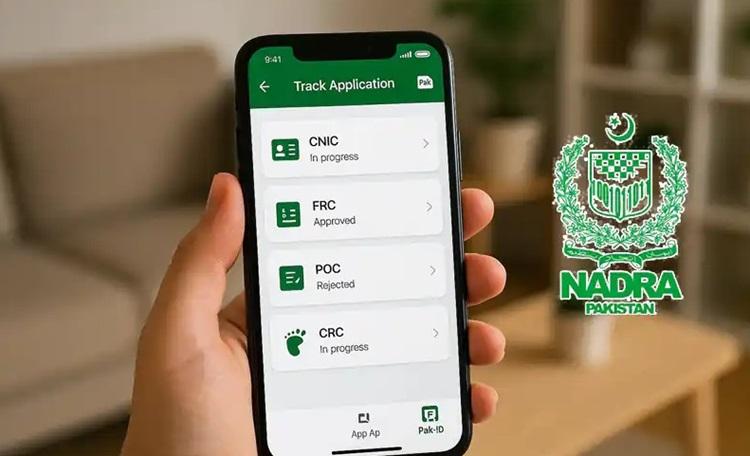
NADRA’s PakID mobile application supports eligible identity document services and application tracking.
Digital services can reduce some paperwork and help applicants manage applications more conveniently.
Nevertheless, online availability varies by application type and individual circumstances.
Some applicants may still need to visit a NADRA Registration Centre for particular verification steps.
Smart CNIC Facts About PakID Services
Applicants can use supported PakID features to provide information, upload required documents, and monitor application progress.
The available options depend on the current service rules.
Applicants should carefully review official requirements before beginning an application.
A digital submission does not automatically guarantee approval.
Smart CNIC Facts About Application Security
Use only the official PakID application and NADRA website.
Protect your login credentials and verification codes.
Avoid agents or websites claiming they can bypass identity checks or guarantee immediate approval.
Keep application receipts and reference details secure until the process is complete.
7. Smart CNIC Facts About QR-Based Identity Cards in 2026
One of the most important new Smart CNIC Facts for 2026 is the introduction of QR-code-based national identity cards.
On August 14, 2026, NADRA announced the first phase of a new chipless national identity card designed around secure QR-code verification.
This is a significant change because the new design uses a machine-readable QR code instead of the imported microchip.
The QR code is intended to support identity verification using smartphones and appropriate software.
Smart CNIC Facts About the New QR Design
According to NADRA’s announcement, the QR-based card was introduced first as a replacement for the standard national identity card.
The broader rollout was planned in phases, including additional identity document categories beginning in 2027.
The new design also includes updated visible and covert security features.
This means that citizens should not assume every identity card issued in 2026 has the same technology.
Smart CNIC Facts About Existing Card Validity
NADRA stated that previously issued identity cards remain valid until their respective expiry dates.
Therefore, the introduction of the QR-based design does not automatically make an existing Smart CNIC invalid.
Citizens should check official announcements for any changes to issuance policies, eligibility, and document formats.
The transition also highlights an important principle: secure identity systems depend not only on the card itself but also on trustworthy verification infrastructure.
8. Smart CNIC Facts Comparison Table
The following table compares key characteristics of traditional, chip-based, and newer QR-based identity cards.
| Feature | Standard CNIC | Chip-Based Smart CNIC | New QR-Based CNIC |
|---|---|---|---|
| Main technology | Printed identity document | Secure microchip | Secure QR code |
| Electronic feature | Depends on card format | Chip-based capability | QR-based verification |
| Identity verification | Authorized NADRA systems | Authorized systems and supported chip functions | QR and authorized verification systems |
| Durability | Standard document construction | Enhanced durability | Updated card construction |
| Security considerations | Physical and personal data protection | Chip, physical and personal data protection | QR verification and personal data protection |
| 2026 status | Existing formats remain relevant | Existing cards remain valid until expiry | Phased rollout began in August 2026 |
The exact features available to a cardholder depend on the issued document and the verification services supported by the relevant organization.
9. Smart CNIC Facts Security Graph
A useful way to understand Smart CNIC Facts is to compare common security practices rather than assuming that one card technology eliminates every risk.
The most important everyday precautions include protecting identity document copies, using official verification channels, safeguarding digital accounts, and checking suspicious requests.
Biometric security and document authenticity are important, but user behavior also affects the overall safety of personal information.
The accompanying graph illustrates suggested priorities for citizens.
These scores are educational examples, not official NADRA measurements or statistical findings.
10. Frequently Asked Questions About Smart CNIC Facts
What Are the Most Important Smart CNIC Facts?
The most important Smart CNIC Facts include secure chip technology, official identity verification, biometric authentication, privacy protection, card validity, digital applications, and the newer QR-based card system.
Is a Smart CNIC More Secure Than a Traditional CNIC?
NADRA describes the chip-based Smart CNIC as offering enhanced security features and improved durability.
However, actual protection also depends on the systems used to verify the card and how safely personal information is handled.
Can Someone Track My Location Through a Smart CNIC Chip?
A Smart CNIC is not described by NADRA as a GPS location-tracking device.
The presence of a secure identity chip does not itself mean that the card continuously reports a person’s location.
Will QR-Based Cards Replace Smart CNICs?
NADRA announced a phased transition toward QR-based identity documents in 2026.
The specific rollout schedule depends on the card category and official implementation decisions.
Previously issued cards remain valid until their expiry dates under NADRA’s announced policy.
Can Smart CNIC Facts Help Prevent Identity Fraud?
Understanding identity verification and privacy risks can help people recognize suspicious requests and protect sensitive information.
No card technology can eliminate every form of fraud, so responsible data handling remains essential.
11. Conclusion: Smart CNIC Facts for Better Security and Awareness
Understanding Smart CNIC Facts helps Pakistani citizens make better decisions about identity security, document management, and digital privacy.
The traditional Smart CNIC introduced secure chip technology and enhanced physical protection, while the newer QR-based design reflects Pakistan’s changing approach to digital identity verification.
Both technologies demonstrate the importance of reliable identity documents, but neither removes the need for responsible personal data management.
Citizens should protect their CNIC photographs, avoid unofficial verification services, keep documents updated, and follow NADRA’s official announcements.
As Pakistan continues developing digital identity services, accurate information will remain essential for preventing confusion and reducing avoidable security risks.
For current policies, card types, and application requirements, consult NADRA directly.
Disclaimer: This article is for educational purposes only. CNICUpdates is an independent informational website and is not affiliated with NADRA or the Government of Pakistan.