
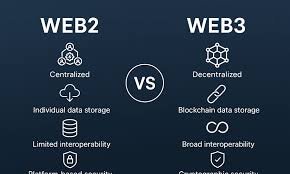
If Web1 was “Read-Only” (static pages) and Web2 is “Read-Write” (social media and user-generated content), Web3 is “Read-Write-Own.”
In the current Web2 landscape, we are the product. We provide data to centralized platforms in exchange for services. In Web3, the architecture shifts. Using blockchain as the foundation, Web3 aims to return power to the users. Instead of logging in with a Google or Facebook account, you connect via a digital wallet. This means you own your data, your identity, and your digital assets, moving them seamlessly across different platforms without needing a centralized gatekeeper.