
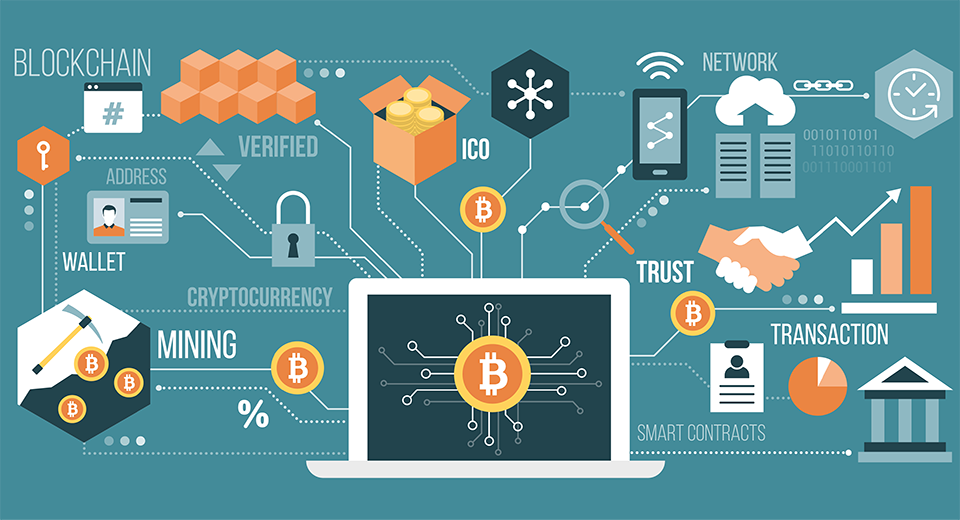
For many, the word “blockchain” is inseparable from Bitcoin. While Bitcoin was the first successful application of the technology, viewing blockchain only through the lens of cryptocurrency is like viewing the internet only through the lens of email. At its core, blockchain is a revolutionary way of storing and moving data that prioritizes transparency, security, and decentralization.
What Exactly is a Blockchain?
Imagine a digital ledger—a spreadsheet of transactions or data entries. Now, imagine that this ledger isn’t stored on a single computer at a bank or a government office. Instead, thousands of computers (called nodes) across the globe hold an identical copy of it.
Whenever a new entry is made, it must be verified by the network. Once confirmed, the data is grouped into a “block” and cryptographically “chained” to the previous block. This creates a chronological, permanent record that cannot be altered without changing every subsequent block—an almost impossible task.
The Three Pillars of Blockchain Utility
What makes this more than just a “fancy database”? It comes down to three specific characteristics:
- Immutability: Once data is written, it is practically permanent. This is vital for things like land titles, medical records, or supply chain tracking, where trust in the history of the data is paramount.
- Decentralization: There is no “middleman.” In traditional finance, a bank validates your payment. In blockchain, the network validates it. This reduces fees, speeds up cross-border transactions, and removes the risk of a “single point of failure.”
- Transparency: Most public blockchains allow anyone to view the transaction history. While users remain pseudonymous, the movement of assets is fully auditable, which is a powerful tool against corruption and fraud.
Real-World Use Cases (Beyond the Coin)
Companies are already using blockchain to solve complex problems:
- Supply Chains: Tracking a product from the raw material stage to the store shelf to ensure ethical sourcing.
- Real Estate: Streamlining property transfers by keeping digital, unforgeable records of ownership.
- Healthcare: Allowing patients to securely share their medical history with different providers while maintaining total control over their data.
The Bottom Line
Bitcoin may have been the “spark,” but blockchain is the “fire.” It is a fundamental shift in how we establish trust in a digital world. As we move further into 2026, the focus is shifting away from speculative trading and toward building the infrastructure that will power the next generation of the internet.